
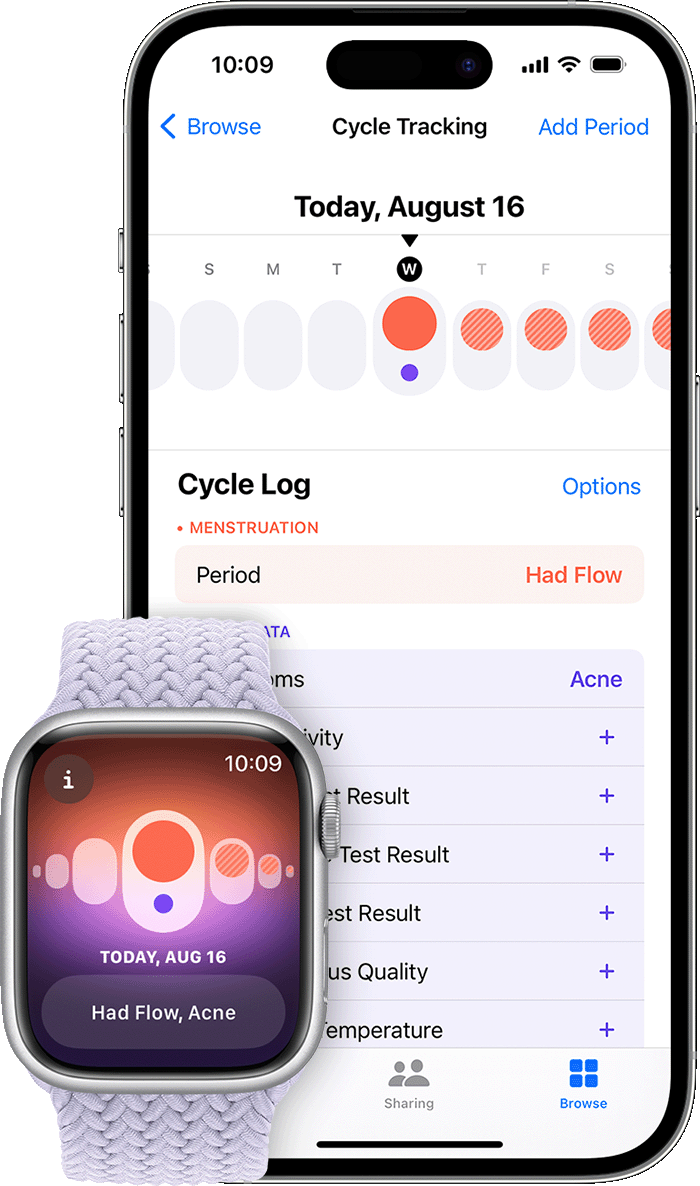
Cycle tracking apps have emerged as essential tools for menstrual health, offering users a way to monitor their periods, moods, and overall well-being. With a rising interest in fertility awareness and self-care among women and girls, these applications help demystify the menstrual cycle and provide insights into personal health. However, concerns around privacy remain a significant issue as many users grapple with the safety of sharing sensitive data. As more women adopt these women’s health apps, they must also navigate the balance between gaining valuable insights and protecting their personal information. Ultimately, cycle tracking apps represent both a triumph in the quest for increased awareness around menstruation and a challenge in ensuring user privacy amid growing data scrutiny.
Menstrual cycle monitoring tools, often referred to as fertility trackers or women’s health applications, have gained immense popularity in recent years. These technologies facilitate the understanding of individual health patterns, making it easier for users to manage their reproductive health. Although the benefits of tracking cycles for well-being are clear, associated privacy concerns have led many to ponder the implications of data collection and surveillance. This landscape reflects a broader movement towards enhanced health awareness, while also highlighting the need for robust safeguards against unauthorized data usage. As the industry evolves, the conversation surrounding period tracking will undoubtedly shape the future of personal health management.
The Rise of Cycle Tracking Apps in Menstrual Health
Cycle tracking apps have surged in popularity, transforming how individuals monitor their menstrual health and wellbeing. These apps allow users to document a variety of symptoms, including mood fluctuations, physical health, and reproductive indicators. The modern awareness surrounding menstrual health has paved the way for innovative tools that not only assist with cycle predictions but also provide insights into overall physical and mental well-being. This has become particularly valuable for younger generations who are more attuned to their bodies and proactive about health education.
In addition to facilitating better awareness and understanding of menstrual cycles, many cycle tracking apps extend their functionality to include features that promote self-care, such as wellness tips, nutritional advice, and exercise recommendations tailored for specific phases of the menstrual cycle. Women are increasingly using these apps as part of a holistic approach to health, recognizing that tracking their cycles can lead to improvements in daily life, mood stability, and informed fertility awareness.
Privacy Concerns: A Major Challenge for Cycle Tracking Apps
As the usage of cycle tracking apps has grown, so too have concerns regarding data privacy and surveillance. Women are understandably cautious about sharing sensitive information with apps that could potentially exploit their data. High-profile incidents of data breaches and companies selling user information have fostered mistrust, leading many to consider whether the benefits of tracking their cycles outweigh potential privacy risks. Users are encouraged to educate themselves on how their data might be used, which has sparked a demand for more transparent privacy practices from app developers.
The fear of reproductive data being misused has led to an increasing number of women searching for apps that prioritize privacy and security. For instance, some women have chosen to delete specific tracking apps in response to the fallout from major legislative changes surrounding reproductive rights, opting instead for apps known for their robust privacy measures. This has initiated a market shift, compelling developers to focus more on designing applications that protect user data and respect their privacy, while still offering relevant features for menstrual and reproductive health.
The Impact of Tracking on Women’s Health Practices
Cycle tracking apps are not merely tools for predicting periods; they represent a growing shift in how women engage with their health. By logging various bodily changes and symptoms, users can identify patterns that contribute to their overall health and well-being. This empowers women to take charge of their reproductive health proactively, rather than being passive recipients of information. The insights gained from these platforms can facilitate productive conversations with healthcare providers, ensuring that personal health narratives are accurately represented.
Moreover, this empowerment extends beyond individual health to encompass a broader movement advocating for women’s health rights. As women become more informed about their bodies through data analytics, they are less likely to accept inadequate healthcare or dismiss their symptoms. This personalized approach to health reinforces the importance of understanding one’s menstrual cycle as an integral aspect of overall health, opening doors to more informed healthcare decisions that reflect their unique bodily experiences.
Educational Benefits of Cycle Tracking Apps
Cycle tracking apps serve as powerful educational tools, particularly among younger populations who are beginning to navigate their menstrual health. Users often find these apps to be instrumental in demystifying the complexities of their cycles, allowing them to connect bodily changes with emotional and physical experiences. Learning about the different phases of the menstrual cycle can help users recognize the effects of hormonal fluctuations, thereby promoting a greater understanding of menstrual health and wellness.
Furthermore, the educational resources provided by many cycle tracking apps, such as blogs, discussion forums, and expert articles, contribute to a richer knowledge base regarding topics such as fertility, PMS, and reproductive health. This increase in understanding not only alleviates fear or misconceptions surrounding menstruation but also fosters a culture of open dialogue about these subjects, reducing stigma and encouraging young women to engage in proactive health management.
Community Engagement through Period Tracking
Cycle tracking apps have also catalyzed community engagement, as more women feel empowered to share their experiences and findings with friends and partners. By fostering openness about menstrual health, users are creating spaces for dialogue that can enhance mutual understanding in relationships. Sharing struggles, tips, and stories about their experiences can be beneficial, helping normalize conversations about periods and general wellness.
Furthermore, community-driven features in these apps have enabled users to connect with others experiencing similar challenges. There are platforms within these applications where women can support one another, share advice, and discuss changes in their cycles, contributing to a greater sense of belonging and encouragement. This communal aspect can help users feel less isolated in their health journeys and reinforce the importance of collective education and support in developing a comprehensive understanding of menstrual and reproductive health.
The Shift towards Privacy-Conscious Cycle Tracking
In an era where privacy concerns are paramount, many cycle tracking apps are adapting to meet the demand for privacy-conscious tools. As reports of sensitive data mishandling circulate, users are increasingly scrutinizing the privacy policies of their chosen apps. Developers are rising to this challenge, emphasizing data security and transparency as core aspects of their applications. The growing desire for privacy in the context of reproductive health data has spurred innovations aimed at protecting user information while still delivering valuable tracking features.
This shift is also prompting users to reconsider which applications they trust with their personal information. Many are opting for female-founded companies or those that have established a strong reputation for safeguarding user data. By prioritizing privacy while offering supportive features for menstrual health, these apps are aligning with user expectations and providing a safer digital environment for women experiencing the intricacies of menstruation.
The Evolution of Menstrual Education amidst Technological Advancements
The rise of cycle tracking apps has ushered in a new era of menstrual education, where technology plays a critical role in empowering women with knowledge about their own bodies. This shift has proven instrumental in overcoming the longstanding taboo and stigma associated with discussing periods. In digital spaces, users have access to a wealth of resources that provide insight into menstrual health, fostering a culture of awareness that transcends traditional educational methods.
Moreover, educational initiatives enabled by cycle tracking apps often engage users in self-discovery and exploration of their reproductive health. Many women are utilizing these tools to better understand their anatomy, hormonal changes, and what constitutes a normal cycle—leading to informed discussions with healthcare practitioners. This evolution towards self-guided learning reflects a broader movement toward informed women’s health, challenging outdated narratives that have historically dominated this space.
Fertility Awareness and the Role of Tracking Apps
Cycle tracking apps play a significant role in promoting fertility awareness, enabling women to better understand their reproductive health and cycles. By allowing users to log various symptoms and track ovulation patterns, these apps can assist in identifying fertile windows and enhancing users’ understanding of their fertility. This is particularly beneficial for individuals planning to conceive, as it empowers them to make informed decisions about their bodies.
Furthermore, a deeper understanding of one’s cycle can also aid in recognizing potential fertility issues. Users equipped with knowledge about their cycles are better prepared to consult healthcare professionals about their reproductive health, leading to timely interventions if necessary. By bridging the gap between technology and education, cycle tracking apps serve as vital tools for women aiming to navigate their fertility journey with confidence and awareness.
The Dark Side of Cycle Tracking: Reproductive Surveillance
Despite the potential benefits, cycle tracking apps also have a dark side that cannot be ignored. Concerns about reproductive surveillance loom large, particularly in a political climate that has increasingly scrutinized women’s reproductive choices. Users are often left grappling with the potential implications of their data being accessed by third parties or used to track their reproductive health without consent. This reality has prompted discussions regarding the need for ethical standards in health technology.
Increasing awareness around these issues has led many women to be more discerning about which apps they choose to use for cycle tracking. As a response to these privacy concerns, some users are re-evaluating their relationships with technology and consciously opting for platforms that demonstrate a commitment to user privacy and data protection. Knowledge is power, and by staying informed about the potential risks associated with tracking apps, women can make empowered choices that align with their values around privacy and autonomy.
Future Directions for Cycle Tracking Apps: Balancing Innovation with Ethics
Looking ahead, the future of cycle tracking apps will hinge on the delicate balance between innovation and ethical considerations. As the demand for personalized health data continues to grow, app developers must prioritize user privacy above all. Companies will need to foster an environment that respects user rights while still pushing technological advancements, ensuring that growth does not come at the cost of user trust.
Moreover, there is potential for these apps to evolve into more comprehensive health platforms that prioritize user education while championing privacy. Future developments could encompass features that facilitate community support, integrate with healthcare providers, and offer transparent data policies that empower users to understand and control their information. The success of cycle tracking apps going forward will depend on their capacity to adapt to these evolving needs while remaining steadfast in their commitment to user empowerment.
Frequently Asked Questions
What are the benefits of using cycle tracking apps for menstrual health?
Cycle tracking apps provide numerous benefits for menstrual health, including the ability to predict periods accurately, track ovulation for fertility awareness, and monitor symptoms related to the menstrual cycle. By logging various health indicators like mood and energy levels, users can gain deeper insights into their bodies and enhance their overall well-being.
How do cycle tracking apps address privacy concerns?
Privacy concerns surrounding cycle tracking apps are significant, especially after increased awareness of data surveillance. Many apps now prioritize user privacy by implementing stronger data protection measures and refraining from selling personal information to third parties. Users are encouraged to choose apps with transparent privacy policies and strong commitments to safeguarding sensitive data.
Can cycle tracking apps help with fertility awareness?
Yes, cycle tracking apps are excellent tools for fertility awareness, providing insights into ovulation and fertile windows. By accurately tracking menstrual cycles and related symptoms, users can make informed decisions regarding conception or contraception, enhancing their reproductive health education.
What should users be wary of when choosing a cycle tracking app?
When choosing cycle tracking apps, users should be wary of privacy policies, particularly regarding data sharing and selling practices. It’s crucial to select apps that clearly state their commitment to user privacy and that do not use personal data for profit. Additionally, checking for user reviews and features that support data portability can be beneficial.
Are there any female-founded options for cycle tracking apps?
Absolutely! There are several female-founded cycle tracking apps that emphasize privacy and user-friendly experiences. These apps often cater to women’s health needs more specifically and promote a sense of community and empowerment in tracking menstrual health.
How can users ensure their cycle tracking app is safe from data breaches?
To ensure safety from data breaches, users should opt for cycle tracking apps that provide robust encryption, clear data protection protocols, and a history of transparency about data handling. Additionally, regularly updating the app and monitoring for any privacy policy changes can help maintain security.
What features should a good cycle tracking app include?
A good cycle tracking app should include features like customizable cycle tracking, symptom logging, predictive analytics for ovulation and periods, health and wellness tips, and a strong privacy policy. Integration with wearables and resources for mental health support can also enhance user experience.
Why might some users choose to delete their cycle tracking apps?
Some users may choose to delete their cycle tracking apps due to privacy concerns, especially in light of recent political events that raised fears about reproductive data surveillance. Users who feel uncomfortable sharing sensitive health information may look for alternative methods of tracking their cycles.
What is the impact of cycle tracking apps on women’s health education?
Cycle tracking apps have significantly impacted women’s health education by fostering awareness and understanding of menstrual health. They encourage conversations about periods and reproductive health, which have traditionally been stigmatized, allowing women to take charge of their bodies and health choices.
Can cycle tracking apps assist with managing health conditions?
Yes, cycle tracking apps can assist with managing health conditions by allowing users to log symptoms and patterns related to their menstrual cycles. This data can help healthcare providers make more informed decisions about treatments and interventions tailored to individual needs.
| Key Points |
|---|
| Increased popularity of cycle tracking apps among women, reflecting a shift in cultural attitudes towards menstruation and self-awareness. |
| Women use cycle tracking apps to track their mental and physical well-being, not just for pregnancy purposes. |
| Concerns about privacy and data tracking have emerged, especially in light of reproductive rights issues and surveillance. |
| Despite privacy fears, many women still find value in these apps and seek alternatives that prioritize data privacy. |
| A trend towards using app features that help with health management, exercise, and nutrition tracking alongside menstrual data. |
| The need for enhanced privacy standards in app development to protect sensitive health information. |
Summary
Cycle tracking apps have emerged as an essential tool for many women and girls seeking to understand their menstrual cycles and overall health. These apps provide a platform for users to log various symptoms and improve their well-being, while also reflecting significant societal changes regarding women’s health education. However, with the increasing awareness of privacy concerns, especially following events like the overturning of Roe v. Wade, users are more cautious about how their data is managed. Consequently, the need for cycle tracking apps to enhance their privacy measures has never been more critical, ensuring that they serve as trusted allies in personal health management while respecting user confidentiality.