Cozy games have emerged as a sanctuary for players seeking comfort and tranquility amid the chaos of modern life. Titles like “Stardew Valley” invite players into serene environments where they can cultivate virtual farms, build communities, and forge connections with others. This genre has gained popularity not only for its engaging gameplay but also for its accessibility, making cozy gaming an ideal choice for individuals navigating challenges such as long COVID or neurodiversity in gaming. As players find solace in these low-pressure experiences, they also discover a welcoming community, whether through Discord chats or collaborative sessions on gaming platforms. The rise of cozy gaming represents a significant cultural shift, as more people embrace these gentler adventures that prioritize connection and comfort.
The realm of gentle gaming is flourishing, with titles that emphasize relaxation and social interaction capturing the hearts of players worldwide. These games blend simple mechanics with fulfilling activities, creating a unique playground that welcomes individuals from diverse backgrounds and abilities. Whether it’s through virtual farming or tranquil crafting, participants engage in a leisurely pace that encourages cooperation and collaboration. As the world collectively acknowledges the importance of mental health and community support, the appeal of serene gaming spaces grows ever stronger. Players are not just enjoying games; they’re cultivating relationships and fostering inclusivity, ensuring that everyone can find joy, regardless of their personal circumstances.
The Rise of Cozy Games in the Gaming Community
Cozy games have exploded in popularity over the past few years, creating a vibrant community of players looking for a comforting escape from the pressures of intense gaming. Titles like “Stardew Valley” and “Animal Crossing” have captured the hearts of millions, providing a serene environment where players can engage in low-stakes activities like farming, decorating, and chatting with friends. As the trend grows, there has been a significant increase in discussions around cozy gaming, with a 57% rise in online mentions, reflecting the shift in players’ preferences toward more relaxed and engaging experiences.
Wiandi Vreeswijk, a video game developer and a part of this cozy gaming movement, has found solace in these games while navigating the challenges of long COVID. For many, including Wiandi, cozy games present a much-needed reprieve from the high-paced competitive gaming atmosphere. They offer an opportunity for players to bond over shared experiences, engage with the game at their own pace, and cultivate a supportive online community. This shift not only highlights the appeal of comforting gameplay but also indicates a growing recognition of the mental health benefits associated with such engaging and gentle gaming experiences.
Building Communities Through Cozy Gaming
The creation of communities around cozy games has allowed players to connect with others who share similar experiences, especially for those navigating chronic conditions or neurodiversity. Wiandi recently established a “Stardew Valley” server on Steam, which has gathered individuals with chronic illnesses into an inviting digital space where they can farm and chat freely. This community embodies the spirit of togetherness that cozy games foster, as players from different backgrounds come together to support each other and find comfort in shared gameplay.
In addition to Wiandi’s initiatives, the broader community of cozy gaming has sparked discussions on platforms like Discord, where players like Laura Dale connect with neurodivergent friends. Laughing over shared gameplay experiences in “Animal Crossing” has created an avenue for conversation that might otherwise be challenging. These connections, built on shared activities and comfort in low-pressure environments, show how essential community is for players seeking solace in gaming.
The Therapeutic Benefits of Cozy Games for Mental Health
Cozy games have emerged as a therapeutic tool for many individuals who experience emotional or psychological challenges. The calming aesthetic, coupled with a gentle gameplay style, makes them favorable for players seeking a retreat from anxiety and stress. For Wiandi and others with long COVID, such games provide an essential outlet for emotional expression and connection, allowing players to engage with others without the overwhelming pressures of competitive gaming or fast-paced storylines.
Moreover, the simplicity of tasks such as farming in “Stardew Valley” or crafting in “Animal Crossing” serves to ground players, providing them with a sense of accomplishment and normalcy during uncertain times. As mental health awareness continues to grow, the cozy gaming community advocates for the recognition of these games as a valid means of self-care and emotional support, promoting a mainstream understanding of their benefits.
Supporting Neurodiversity in Gaming with Cozy Experiences
Cozy games have become a beacon for neurodiverse gamers who often face challenges in more chaotic gaming environments. The slower-paced gameplay and less overwhelming visuals resonate with individuals on the autism spectrum or those with attention difficulties. As Laura Dale highlighted, playing cozy games together with friends has offered a structured way to interact, allowing conversations to flow naturally without the pressure of improvisation. This adaptability is significant, as cozy gaming experiences can cater to a wider range of preferences and needs.
Games like “Stardew Valley” are designed with accessibility in mind, featuring mechanics that allow players to engage with the game at their own pace. This design principle not only makes the gameplay more enjoyable but also extends an invitation to those who may have previously felt alienated from gaming due to sensory overload or fast-paced interactions. Cozy games harness the power of comfort and connection, bringing together a diverse audience and affirming that gaming can be inclusive.
Reimagining Accessibility in Cozy Gaming
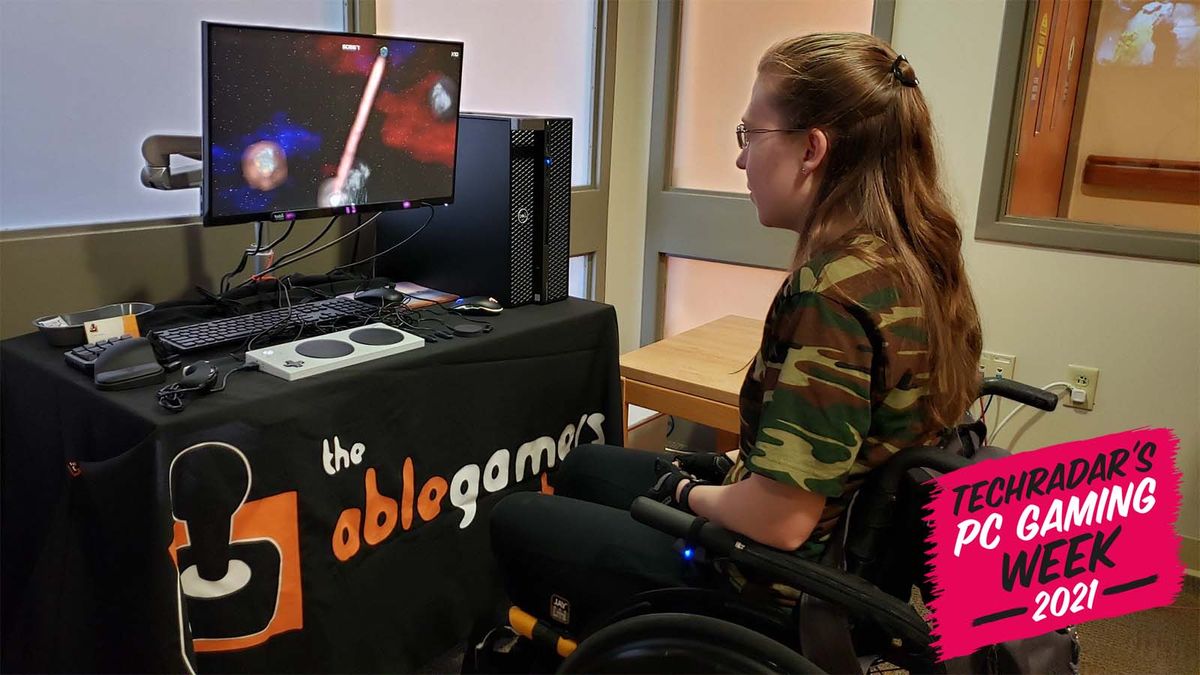
While cozy games often cater to many players with special needs through simple mechanics and calming environments, there remains ongoing discourse about the true accessibility of these titles. Experts like Grant Stoner emphasize the importance of recognizing the varied requirements within the gaming community, noting that one genre cannot be labeled universally accessible. For players with certain physical disabilities, specific cozy game tasks can still be exhausting or overwhelming, making it essential for developers to consider multiple aspects of accessibility in gameplay.
To improve accessibility, developers are encouraged to innovate and create customizable settings that cater specifically to the diverse disabled gaming population. This includes options for simplified controls, alternative audio-visual cues, or adaptive hardware support. Such enhancements can augment user experience and generate a broader and more inclusive community within the cozy gaming genre.
Balancing Comfort and Engagement in Game Design
Cozy games thrive on the balance between comfort and engagement, making it essential for developers to maintain this delicate equilibrium through thoughtful design choices. Wiandi believes that the charm of games like “Stardew Valley” lies in their ability to provide a welcoming atmosphere without overwhelming players with complex mechanics or high-stress scenarios. This design approach is particularly crucial for engaging diverse populations, including those with neurodiverse conditions, chronic illnesses, or mental health challenges.
The relaxing gameplay mechanics not only attract players looking for a laid-back experience but also encourage them to find joy in small achievements, be it tending to virtual animals or expanding their farm. By focusing on fulfilling tasks and creating community engagement, cozy games stand out as a nurturing environment for collaboration and personal growth.
Fostering Online Friendships Through Shared Gameplay
One of the most delightful aspects of cozy gaming is the potential it has to forge genuine friendships among players. Through casual interactions and shared experiences in games like “Stardew Valley,” individuals from various backgrounds converge in a light-hearted environment, fostering meaningful connections. In Wiandi’s example, he encourages members of his community to drop in and play together, emphasizing that strong friendships can arise from simply enjoying the calm together.
In a world where social interaction can often feel daunting, especially among neurodivergent individuals, the shared experience of cozy gaming becomes a bridge. Players can communicate in relaxed atmospheres, providing beautiful opportunities for bonds that transcend borders. The co-existence of players in these serene virtual spaces illustrates how gaming can contribute to emotional well-being and companionship.
The Future of Cozy Games in the Industry
As cozy games continue to rise in popularity, the future looks bright for those who value the comforting gameplay they provide. Game developers are increasingly recognizing the potential for inclusive and engaging experiences, ensuring that new titles resonate with a diverse audience. An increased focus on community, connection, and emotional wellness in gaming heralds a shift away from solely competitive models, welcoming players who might seek solace and creativity through collaborative scenarios.
The growing recognition of the mental health benefits of gaming signifies an industry-wide shift towards valuing experiences that promote comfort and clarity. As this genre evolves, it also opens up room for discussions around accessibility and representation, inviting feedback from diverse communities and ensuring that cozy gaming remains a comforting space for all.
Celebrating Small Triumphs in the Cozy Gaming Community
The essence of cozy gaming lies in the celebration of small achievements, where players take pride in their gradual progress. Whether it’s planting a new crop in “Stardew Valley” or completing a seasonal event in “Animal Crossing,” these little victories hold significant value and contribute to emotional satisfaction. This sense of accomplishment is particularly important for players dealing with life’s pressures or chronic illnesses, as it encourages them to take joy in the present moment.
For Wiandi and others, collecting these small triumphs in a shared gaming space reinforces the sense of community. It reminds players that, in the end, gaming is about navigating through challenges together and recognizing each other’s successes, no matter how small. The bonds formed from uplifting each other create a nurturing environment, underscoring the importance of camaraderie within the cozy gaming community.
Frequently Asked Questions
What are some of the most popular cozy games to play with friends?
Some of the most popular cozy games include ‘Stardew Valley’ and ‘Animal Crossing.’ These games offer relaxing gameplay focused on simple tasks, making them perfect for players seeking low-pressure gaming experiences that foster connection.
How do cozy games provide a safe space for players dealing with long COVID?
Cozy games like ‘Stardew Valley’ allow players dealing with long COVID to engage in a comfortable, low-energy gaming environment. This genre emphasizes soothing gameplay and social interaction, which can be especially beneficial for those with fatigue and other symptoms.
How do cozy games support neurodiversity in gaming?
Cozy games are designed with accessibility in mind, making them suitable for neurodiverse players. They feature simpler mechanics, structured tasks, and a slower pace, which can help accommodate conditions like ADHD and autism, reducing stress and providing a sense of safety.
What is the significance of community in cozy gaming, especially for chronic illness?
Communities formed around cozy games, such as those playing ‘Stardew Valley,’ allow players with chronic illnesses to connect and share experiences. These virtual gatherings create a sense of belonging and understanding, making cozy games a nurturing environment.
How do accessible features in cozy games enhance the gaming experience for players with disabilities?
Cozy games often include customizable settings and features designed to improve accessibility, such as visual cues for important information. These adaptations help ensure that more players, including those with physical disabilities, can enjoy and engage with cozy gaming.
In what ways can cozy games be made more inclusive for all players?
To increase inclusivity, cozy games could incorporate diverse control options, varied sensory settings, and avoid solely relying on audio cues. Making these adjustments would help cater to a wider range of players with different needs.
What role do cozy games play in fostering social connections during difficult times?
Cozy games provide a platform for social interaction, helping players maintain friendships during challenging periods like the COVID-19 pandemic. Shared gameplay experiences in titles like ‘Animal Crossing’ create opportunities for communication and fun, despite physical distance.
Why are cozy games considered approachable for new gamers?
Cozy games are characterized by their easy-to-understand mechanics and non-competitive nature, making them more approachable for new players. Games like ‘Stardew Valley’ allow even those with no prior gaming experience to learn and play comfortably.
| Key Points |
|---|
| Cozy games, like ‘Stardew Valley’, provide a safe and comforting gaming experience, especially for those with chronic conditions. |
| Wiandi Vreeswijk, a video game developer, uses cozy games to cope with long COVID and finds solace in community gaming. |
| The genre of cozy games has increased in popularity, with a 57% rise in online mentions as more players seek comfort. |
| Accessibility in cozy games allows a wider range of players, including those who are neurodivergent or experience disabilities. |
| Games like ‘Animal Crossing’ and ‘Tetris’ promote low-pressure play, making them inviting even for beginners. |
| Cozy games also foster social connections, allowing players to bond over shared experiences and gameplay activities. |
| While cozy games offer many benefits, the video game industry needs to continue improving accessibility for all players. |
Summary
Cozy games have emerged as a key genre providing comfort and community in the gaming world. They offer players a welcoming environment characterized by low-pressure gameplay and meaningful connections, which has become particularly essential for individuals dealing with chronic conditions or seeking a slower-paced escape. With their increase in popularity, it’s evident that cozy games not only enhance individual experiences but also foster social interactions among players. As developers continue to improve accessibility features, cozy games will undoubtedly remain a crucial part of the gaming landscape for those looking to relax and connect.